Introduction
Wound care management is a necessary aspect of medical care, especially in the treatment of chronic injuries and complex injuries. Whether it's a straightforward cut or a more complicated abscess, reliable injury management can dramatically influence recovery results. Correct approaches not only expedite recuperation however also lower the risk of infection and complications. As healthcare experts, comprehending these approaches is paramount. In this article, we dig deep right into Wound Care Administration: Techniques for Effective Outcomes, including various aspects such as training for specialists, nursing education and learning, and progressed strategies for managing complex wounds.
1. Understanding Injury Treatment Management
1.1 What is Wound Treatment Management?
Wound treatment monitoring refers to the organized approach to treating injuries through proper evaluation, medical diagnosis, and treatment protocols. It includes every little thing from cleansing and dressing injuries to tracking recovery progress.
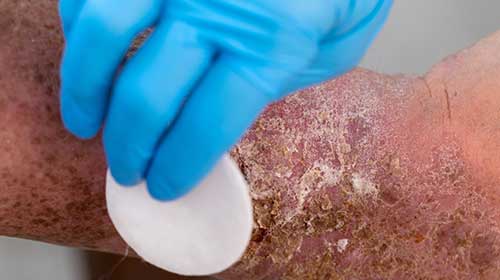
1.2 Value of Wound Care
Effective wound care is essential due to the fact that it assists prevent infections, advertises faster recovery, and ultimately decreases health care prices associated with prolonged treatments.
2. Types of Wounds
2.1 Acute Wounds
Acute injuries are those that heal swiftly without complications. They generally arise from surgical procedure or unintentional injuries.
2.2 Chronic Wounds
Chronic wounds linger in time and are usually connected with underlying conditions such as diabetes mellitus or vascular disease.
3. The Function of a Wound Treatment Specialist
3.1 What Does a Wound Care Professional Do?
An injury treatment specialist focuses on diagnosing and dealing with various kinds of wounds utilizing specialized understanding and techniques.
3.2 Training Required for Specialists
To come to be an injury care expert, one must undergo rigorous training that includes both academic expertise and useful skills.
4. Wound Care Expert Training
4.1 Introduction of Training Programs
Training programs for wound treatment professionals vary extensively yet usually include coursework on makeup, physiology, and the current wound care technologies.
4.2 Accreditation Options Available
Various companies use accreditations in wound care management that improve integrity and competence in the field.
5. Wound Treatment Training for Nurses
5.1 Value of Specialized Training
Nurses play an important function in client treatment; therefore, specialized training in wound administration is important for providing top quality medical care services.
5.2 Educational program Parts in Nursing Programs
Most nursing programs now incorporate components focused on basic wound care training to gear up registered nurses with basic abilities needed in professional settings.
6. Wound Treatment Educating Courses
6.1 Online vs On-site Courses
With the rise of digital discovering platforms, several experts are opting for on-line wound care training courses that supply versatility without jeopardizing on quality.
6.2 Program Material Overview
Typical training course material includes anatomy pertinent to wound recovery, ideal methods in clothing application, infection control steps, amongst others.
7. Basic Wound Care Training Essentials
7.1 Trick Skills Got With Fundamental Training
Basic wound care training equips people with abilities like cleansing techniques, applying dressings correctly, and recognizing signs of infection.
7.2 Value of Hands-on Practice
Theory alone isn't enough; hands-on practice is crucial for developing self-confidence and efficiency in handling wounds effectively.
8. Advanced Strategies in Intricate Wound Care
8.1 Recognizing Complex Wounds
Complex injuries need specialized interventions because of their nature-- commonly including deeper cells or underlying health and wellness problems that hinder recovery processes.
8.2 Treatment Modalities
Advanced modalities consist of adverse stress injury treatment (NPWT), bioengineered cells, and other innovative methods customized to promote recovery in intricate cases.
9. Chronic Wound Care Management Strategies
9.1 Identifying Underlying Causes
Identifying the root cause of persistent wounds-- be it bad circulation or diabetes-- is crucial for effective treatment plans.
9.2 Multidisciplinary Approach
An effective persistent injury monitoring strategy typically includes cooperation among different doctor consisting of dietitians, podiatric doctors, and physical therapists.
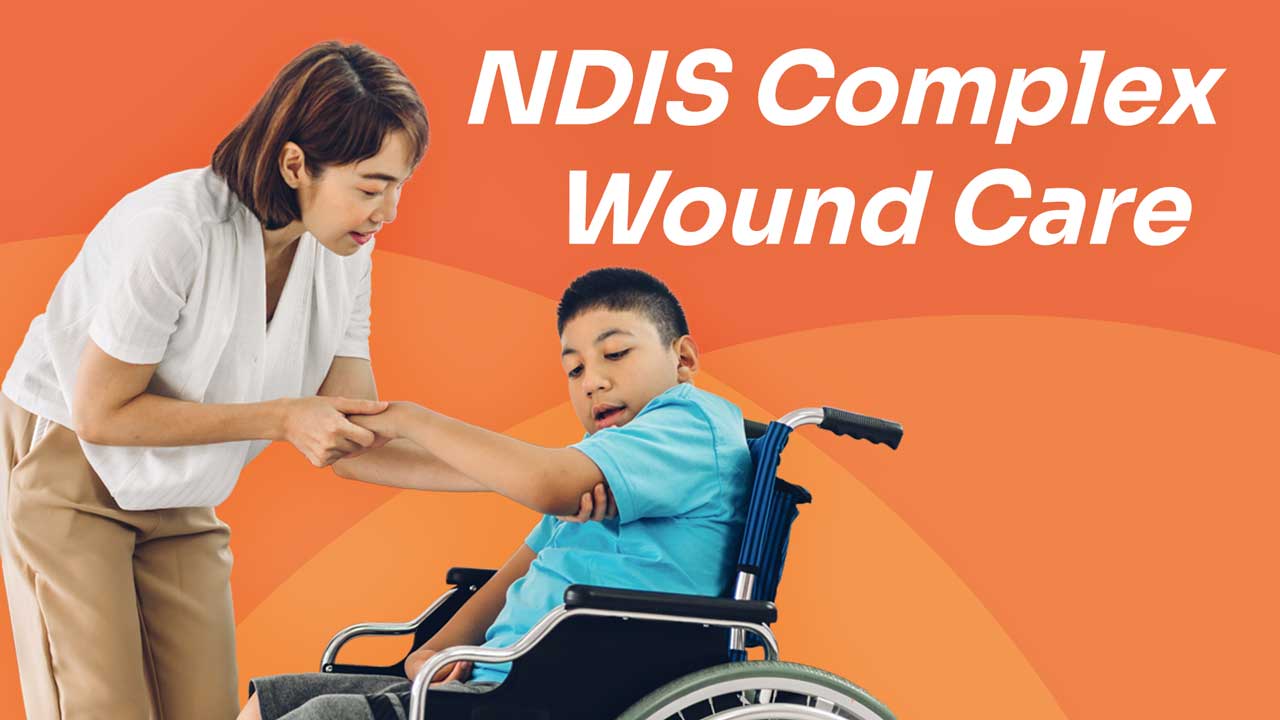
10. The NDIS (National Special Needs Insurance System) & Injury Care
10.1 NDIS Support Services
For individuals under the NDIS structure requiring ongoing injury monitoring support solutions are important to guarantee they obtain proper treatment customized to their needs.
10.2 Funding Options Available
Understanding financing alternatives offered through NDIS enables patients to gain access to essential therapies without financial burden.
Frequently Asked Questions (Frequently asked questions)
Q1: What credentials do I require to become a wound treatment nurse?
A: Typically requires a nursing level along with specialized accreditation in injury management gotten through acknowledged programs or programs concentrated on nursing wound treatment training.

Q2: The length of time does it require to finish a wound care training course?
A: Program period differs; however, numerous on-line programs can be finished within a number of weeks while thorough certification programs might take months relying on depth and timetable flexibility.
Q3: Can I manage my own persistent injuries at home?
A: While some individuals can handle small persistent injuries at home with proper education and learning from doctor, serious instances ought to always be reviewed by specialists to stay clear of complications.
Q4: Why is infection control essential in wound management?
Q5: Exist specific products recommended for persistent wound management?
A: Yes! The selection of products wound care nurse training relies on the sort of persistent injury; usual alternatives include hydrocolloid dressings, alginates, foam dressings and so on, tailored based on individual demands evaluated by health care providers.
Q6: Is there continuous education and learning readily available after first certification?
A: Definitely! Numerous companies motivate continuous professional growth through workshops, workshops, online sources making sure professionals stay current with breakthroughs in efficient practices related to persistent wound care management.
Conclusion
In conclusion, effective Wound Care Monitoring: Strategies for Effective Outcomes rely greatly on skilled practitioners that recognize both basic concepts and advanced techniques important for promoting optimal healing conditions throughout varied patient populations-- from intense injuries requiring instant attention to complex chronic wounds calling for recurring analysis and intervention methods tailored in the direction of alternative wellness purposes. By prioritizing education and learning with thorough training programs made especially around evolving criteria within this vibrant area-- health care specialists can improve their capability supplying phenomenal service while ensuring favorable individual experiences yielding effective end results over time.